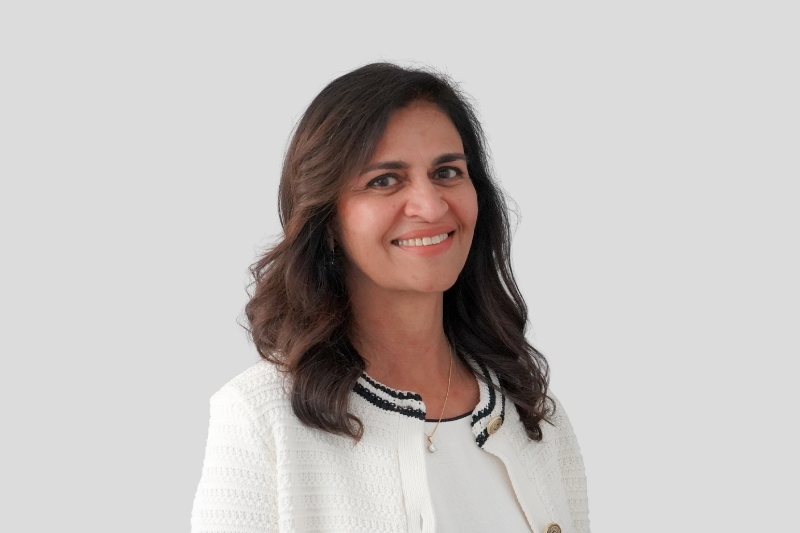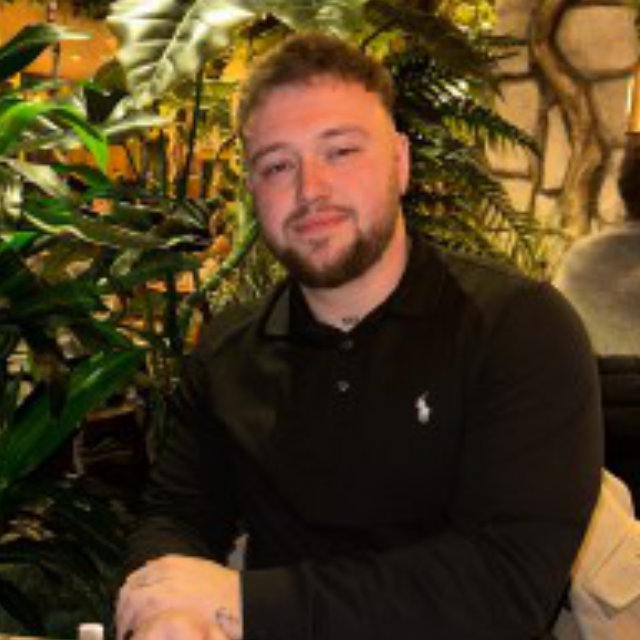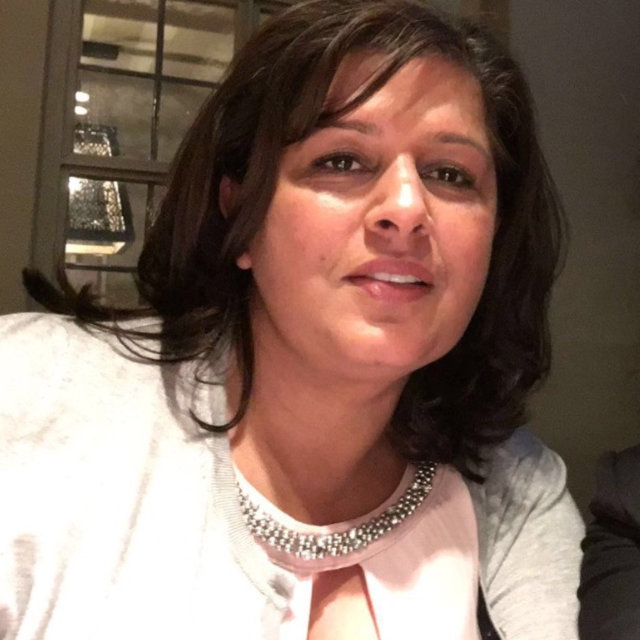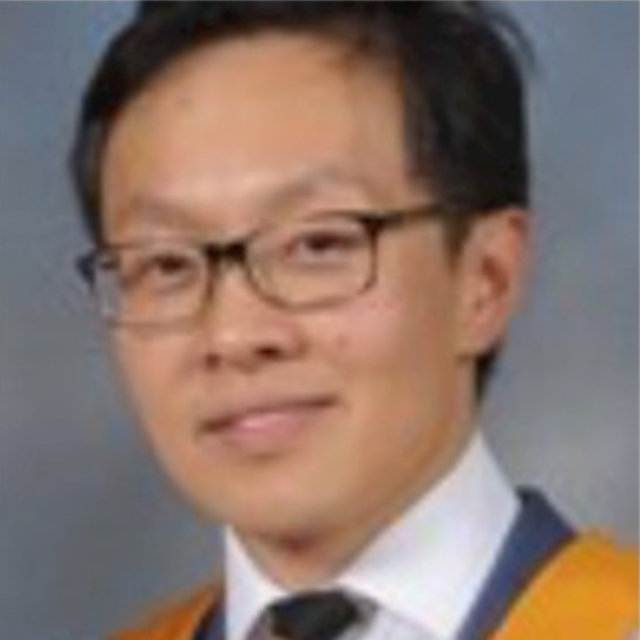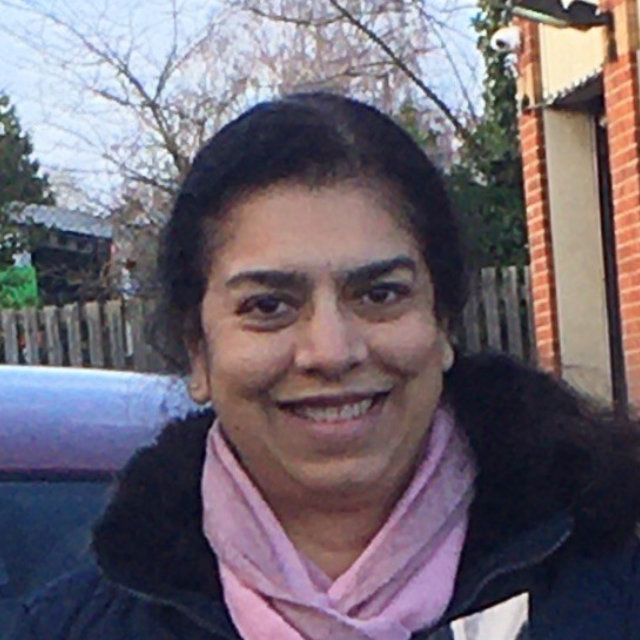
VISIO Health co-founders Sanjog Sandhu and Ms Ranjit Sandhu were both invited to present at the ZEISS EMEA Cataract & Corneal Refractive User Meeting in Istanbul from 5th to 7th June 2026. Sanjog spoke about wellbeing, human connection and VISIO’s early experience of guided meditation around cataract surgery. Ranjit brought two complex cataract cases to the international faculty for open discussion. The meeting gave the VISIO team the chance to learn from clinicians and practice leaders across Europe, the Middle East and Africa, and to bring fresh thinking home to Buckinghamshire.
The question behind the talk
For a surgeon, it may be the five thousandth cataract procedure. For the person in the chair, it is their first.
That gap sat at the centre of the talk. Cataract surgery is one of the most commonly performed operations in the world, and it is usually quick and well tolerated. None of that changes how it feels to be told that someone is going to operate on your eye while you are awake.
So the question was not whether the surgery works. It was whether we are paying enough attention to what a person is thinking and feeling in the hours and minutes before it.
Why I talked about my own anxiety
I spoke about my own experience of anxiety and stuttering, because it shaped how I understand this.
Anxiety is persuasive. It arrives with a story attached, and that story tends to sound like fact. What helped me most was not being told to calm down. It was learning that a thought can be noticed, named and allowed to pass without automatically being obeyed. Thoughts are not facts. Feelings are real, but they are not instructions.
That is not a clinical technique and I would never present it as one. It is a way of relating to your own mind that many people find useful, and it translates surprisingly well to the experience of waiting for a procedure.
What VISIO Wellbeing offers around surgery
At VISIO we noticed a straightforward pattern: many people arriving for cataract surgery feel understandably nervous, and the moments when that peaks are fairly predictable.
VISIO Wellbeing developed two guided meditation recordings as an optional source of support:
- one for the night before surgery, when sleep can be difficult and the mind tends to rehearse the day ahead; and
- one for shortly before the procedure, when there is often waiting time and little to do with it.
They are short, plain and unhurried. There is nothing to learn beforehand and nothing to get right.
Two boundaries matter, and we say them clearly to patients. First, this is optional. Nobody has to use it, and choosing not to is not a problem. Second, it sits alongside proper clinical care, individual discussion, informed consent and any medication a clinician considers necessary. It never replaces them.
What the early observations showed
The conference presentation included a snapshot of the first seven participants in a small internal service evaluation.
- All seven recorded a lower heart rate after the guided meditation.
- The average reduction shown on the conference slide was 5.3 beats per minute.
- All seven also recorded lower self-rated anxiety intensity afterwards.
- The average reduction shown was 4.1 points on a 1 to 10 scale, where 1 represented mild anxiety and 10 represented intense anxiety.
How much weight those numbers can carry
Honestly? Less than the numbers themselves might suggest, and saying so is part of doing this properly.
This was a small internal service evaluation. It was not randomised, it had no control group, and seven people is a small number. There is no way to separate the effect of the meditation from the effect of simply sitting quietly for a few minutes, of being looked after, or of the natural settling that happens as an appointment progresses. People who choose to try a guided meditation may also be people already inclined to find it helpful.
Before VISIO publishes these figures as a formal outcome, the protocol, measurement timing, devices, consent, dates, raw anonymised data, missing data and final sample size all need to be confirmed and clinically reviewed.
So the most responsible conclusion is a modest one. The early VISIO measurements support continuing to examine whether optional guided meditation can help some patients feel calmer around surgery. That is a reason to keep looking carefully, not a claim to advertise.
If you are experiencing significant or persistent anxiety, whether or not it relates to a procedure, please speak to your GP or another appropriate healthcare professional. Guided content is supportive, not a substitute for that conversation.
The panel: how modern practices earn trust
I presented in Focus Session D alongside Mr Mfazo Hove, Dr Bukie Hove and Priv.-Doz. Dr Jascha Wendelstein, bringing clinical, operational, digital and patient-experience perspectives together.
The clearest theme was that trust starts long before the clinic door. By the time someone arrives for a consultation, they have already read, searched, compared and formed an impression. Clear information, honest explanations and a human response to anxiety are not the soft edge of healthcare. They are part of the care.
Thank you to Mr Mfazo Hove, who chaired the panel and generously spent time outside the session sharing practical digital-marketing advice. It was specific, useful and given freely, and I am grateful for it.
What this changes at VISIO
A few practical things came home with me:
- keep the guided recordings optional, short and clearly bounded, and keep saying so out loud;
- treat pre-operative anxiety as something to ask about rather than something to notice by accident;
- finish the service evaluation properly, with a protocol and clinical review, before any figure is presented as an outcome; and
- keep the wellbeing pathway and the clinical pathway distinct, so nobody mistakes supportive content for treatment.
Written by Sanjog Sandhu. Clinically reviewed by Ms Ranjit Sandhu, Consultant Ophthalmic Surgeon and Director
Frequently asked questions
Is it normal to feel anxious before cataract surgery?
Yes. Many people feel nervous before eye surgery, and it is worth telling your clinical team if you do. Clear explanations, time for questions and knowing who is looking after you can all help.
What did the meditation snapshot show?
In the seven participants shown in the conference presentation, heart rate and self-rated anxiety intensity were lower after the guided meditation for all seven. The average reductions shown were 5.3 beats per minute and 4.1 points on a 1 to 10 anxiety-intensity scale. These were early internal observations, not a clinical trial or proof of efficacy.
Does VISIO use meditation instead of clinical care or medication?
No. Guided meditation is optional supportive content. It does not replace assessment, informed consent, clinical monitoring or medication when a prescriber considers medication appropriate.
Will guided meditation work for me?
We cannot say. A small internal evaluation cannot predict how an individual will respond. Some people find it settling, some find it makes little difference, and either outcome is fine.
Can I use the recordings if I am having surgery elsewhere?
Ask your own clinical team first. The content is general supportive material rather than instructions tied to a particular pathway, and your team knows your circumstances.
Where can I read about the rest of the ZEISS EMEA meeting?
The full VISIO recap, including Ms Ranjit Sandhu’s complex cataract case sessions, is here: [Part 1].
Learn more about VISIO
If you are considering cataract surgery, you can learn more about VISIO’s consultant-led cataract pathway, assessment and lens discussions here: Cataract Surgery
If you are interested in VISIO Wellbeing, guided practices or support for healthcare teams and organisations, visit: Wellbeing Care
Call or WhatsApp: 0800 032 2020 Email: [email protected] Wellbeing enquiries: [email protected]
VISIO Health is a family-run, consultant-led private ophthalmology clinic for adults in Wooburn Green, Buckinghamshire.